Fantasy Genre Poster;
Typical Features:
In the fantasy genre there tends to be a positive outcome at the end of the story. Much like the main characters or the protagonist living happily ever after, for example, at the end of films such as The Lord of the Rings and the Harry Potter franchise and again with those kind of films, the fantasy genre tends to keep to a linear narrative, which sees the main characters journeying to defeat evil, whilst facing overwhelming odds, in which they overcome that and have a happily ever after.
There are usually set in fictional worlds or 'make believe worlds, like for example, Peter Pan, which is set in 'Neverland' or Alice's wonderland.

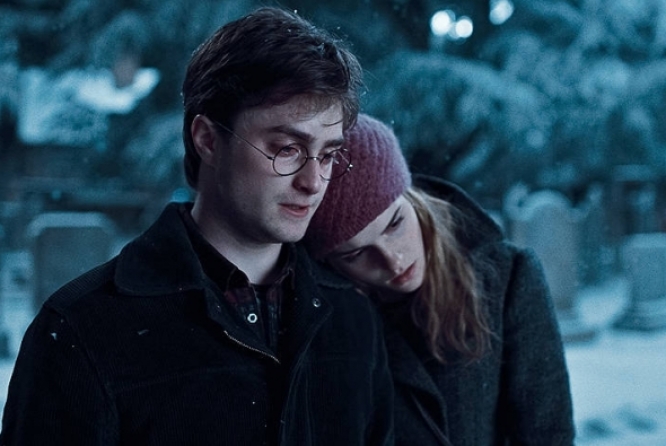
The Fantasy genre usually also has elements that evolve magic, sorcery, supernatural forces, escapism, make believe characters and other bizarre and wonderful creations. Most of the Fantasy films have a reputation of being ideologically traditional with there stories and narrative, no matter how dense the world around them are. Disney movies stick to the same cycle of producing children's fantasy films and big blockbusters adapted from fantasy books are not different and stick to the same linear narrative. Author and Executive Producer of the Of Ice and Fire Books and the popular TV show A Game of Thrones, had stated that these Fantasy books/films have hurt the fantasy genre more than they have helped it, although he has stated that he does love them, it's just that they have become the norm for Fantasy stories.


Settings:
The TV shows and films for the Fantasy genre tend to set their stories in make believe worlds away from the real world, however they could tend to vary between the two,. like for example The Chronicles of Narnia and Harry Potter are set in the real world and then show the fantasy world that they have been transported to. Links can be made between Sci-Fi as they could be set on different worlds such as films like in films such as 'Zathura' and 'Never-ending Story'
A very popular setting for the fantasy genre is the medieval era, this setting has become extremely popular since the success of the 'Lord of the Rings' and 'Game of Thrones' franchises.


Characters:
In the Fantasy genre there tends to be a Hero/heroine embarking on a quest.. they tend to go up against a villainous character ion order to succeed. An example of this can be Harry Potter again,. were Harry,. Ron and Hermione set of to defeat the dark lord Voldemort. Typically the heroic role was undertaken by a male yet there are more films now that use a female for this role.
There also tends to be characters such as Princesses, princes and evil queens. Yet these do not always have to be a feature. Also making appearances ion the fantasy genre are characters of mythical and magical origin such as dwarves., hobbits., centaurs, ogres., trolls., goblins., ghouls,. witches,. talking animals etc.. For example in Beowulf, there is Grendel.


Props:
Weapons are a common feature in the fantasy genre, these usually depend on the setting and the individual wielding it. For example in a medieval setting the weapons would follow along the loines of swords., axes and bows and arrows. Or for example the character were a wizard they may have a wand., cauldron, staff or broomstick.
Magical objects are also common in the fantasy genre, seeing as magic is a highly common theme. Usually the props tend to be of a magical nature,. whether this is books., weapons., crystal balls.
Some props help to give a form of reality to the piece. For example ion the Borrowers the props are larger than they would normally be, to help enforce the idea that the characters are actually exceedingly small.


Colour and Lighting:
The fantasy genre we tend to see saturated primary colours. These give it a more friendly feel to the film and gives a strong contrast to the more evil side of the piece who's characters and objects surrounding it are usually dark ion colour, and in some cases are usually associated with the colour green, red and blue for the lighter characters. So the colours act as a definition between the good and evil qualities within a character. The colours also portray a more mystical feel for the film and add light.
Lighting is also used to help portray the good/evil characters. It can give a light and welcoming atmosphere to the film and it's characters. The darker characters are usually in shadow.


Costumes:
Costumes tend to be light ion colour to keep with the the style of the films. Yet some costumes particularly for the evil characters tend to be dark such as black or red. Some become iconic such as the dark hooded cloaks of the Nazgul and Dementors or Alice's blue dress and the witches pointy hat.


Typical themes include:
Magic, Unusual, Folklore, Bravery, Heroism, Good Vs. Evil, Myth/legend, Enchantment, Fiction, Trust, Love, Friendship, Realoit, Strength, Overcoming difficulties and Freedom and control.


No comments:
Post a Comment